R3VOLUTION steel pilot plant picks up work: A major step towards circular water use in the steel industry
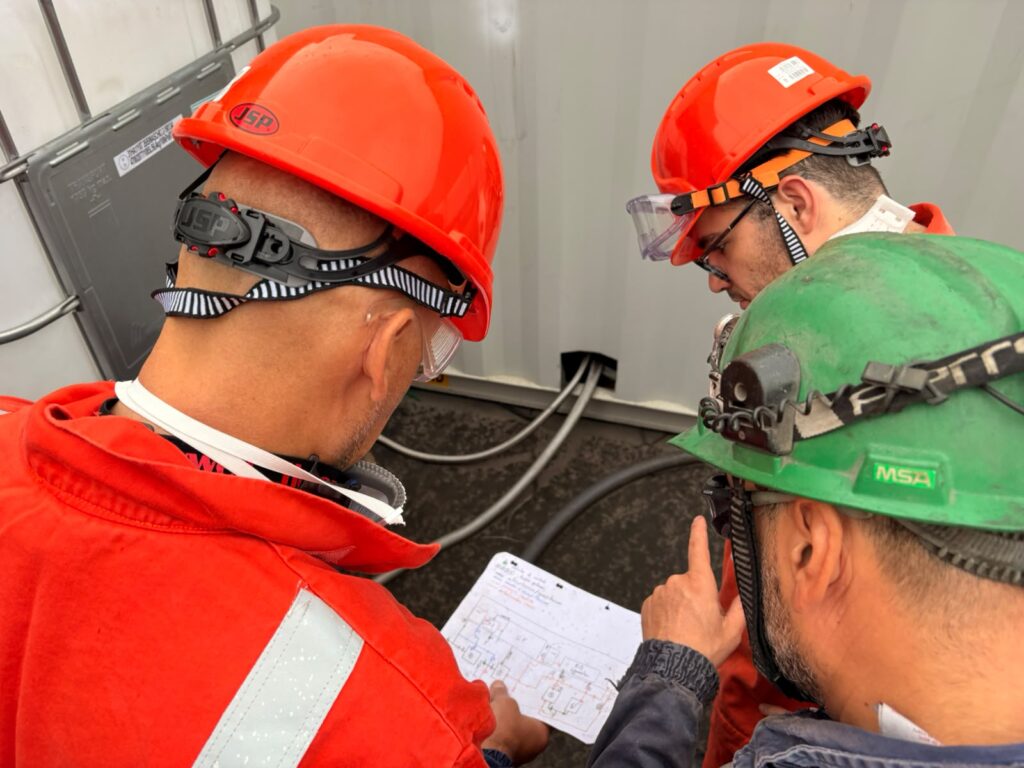
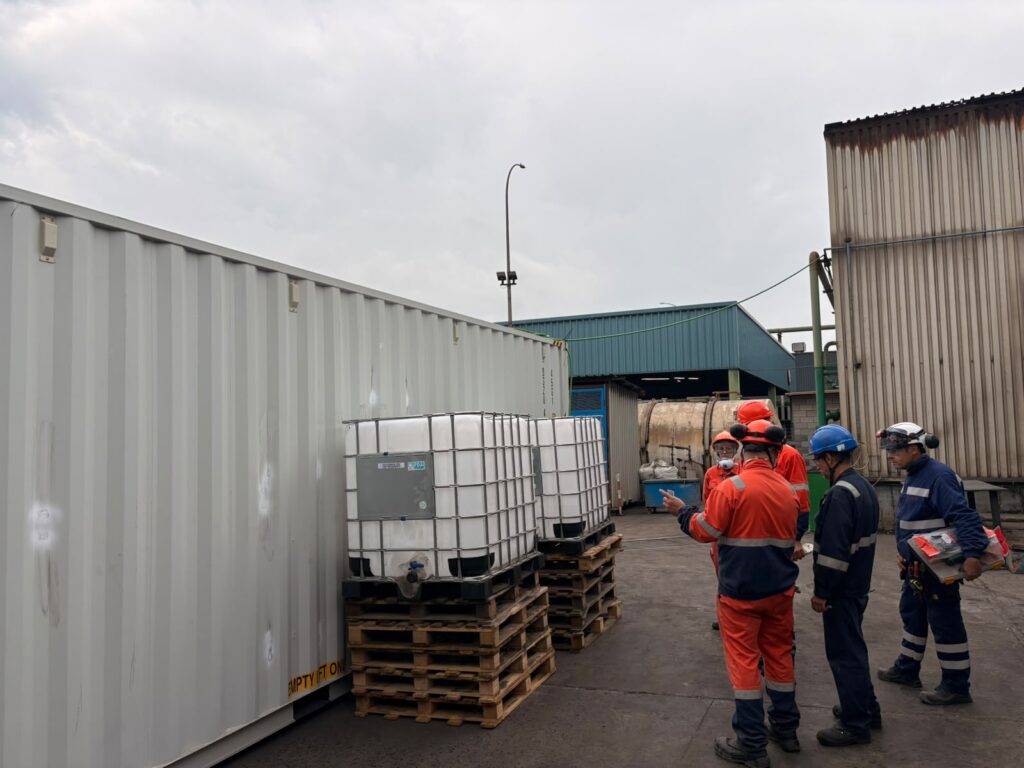
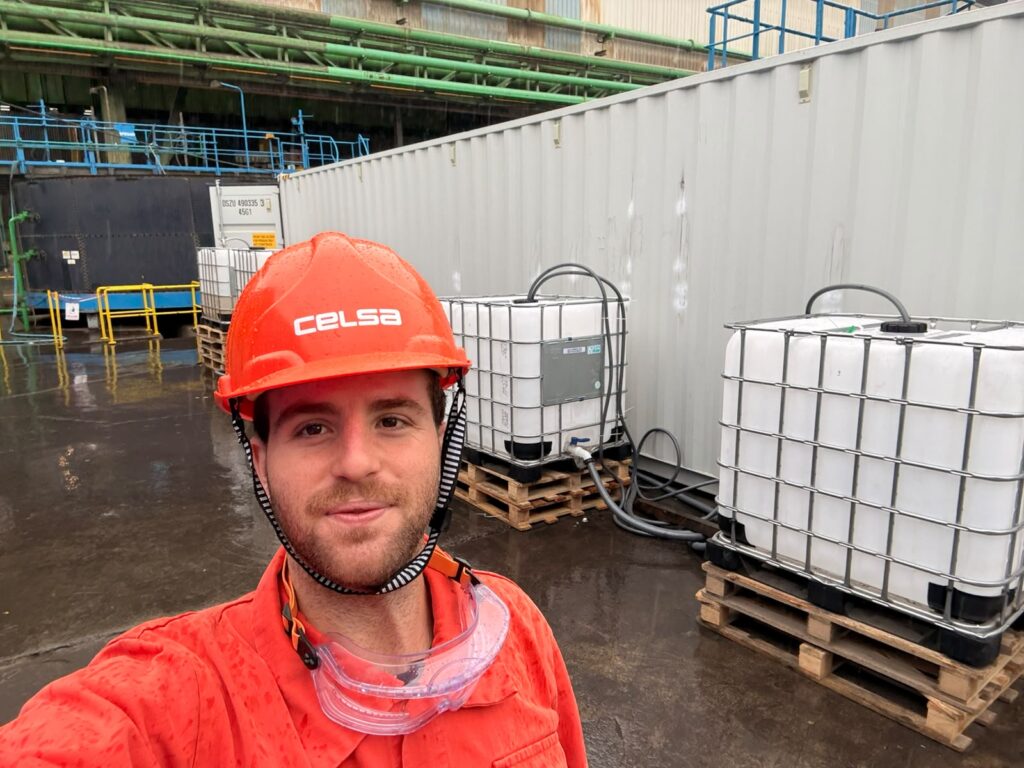
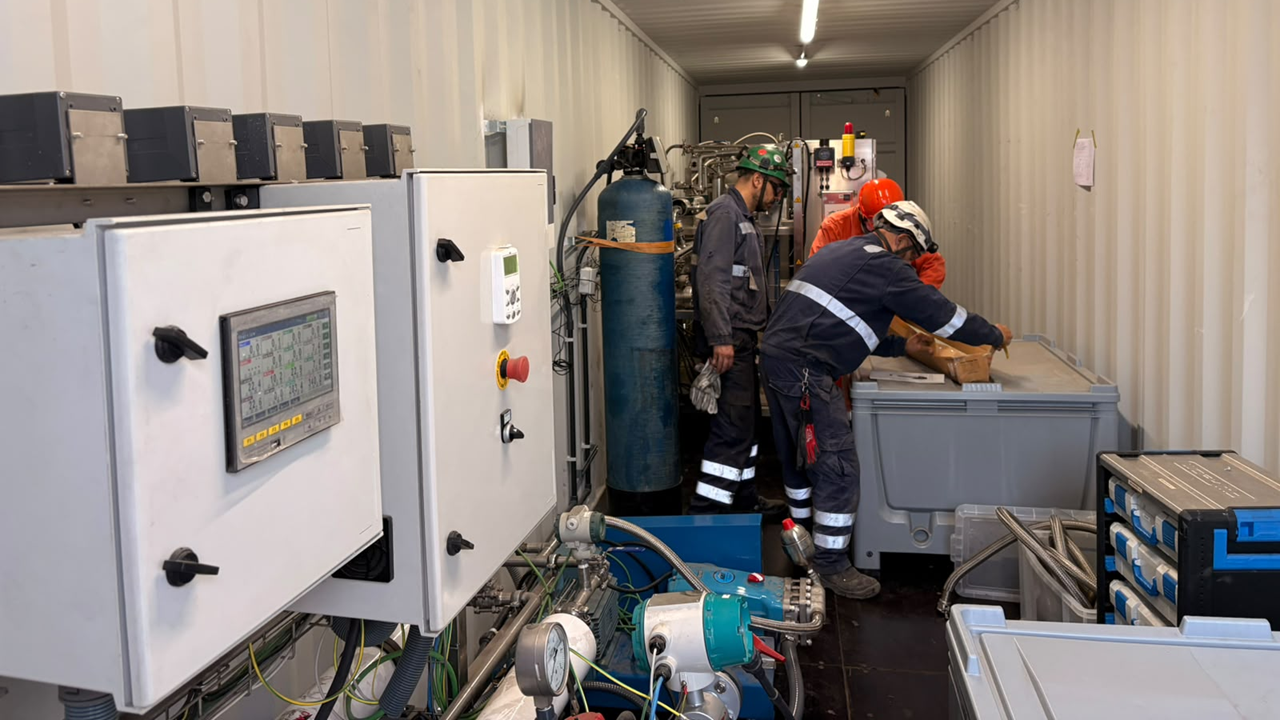
The R3VOLUTION project has reached an important milestone with the installation of its pilot plant at CELSA Group’s Castell Bisbal facility in Spain. Positioned next to the site’s wastewater treatment plant, the pilot system is now ready to work.
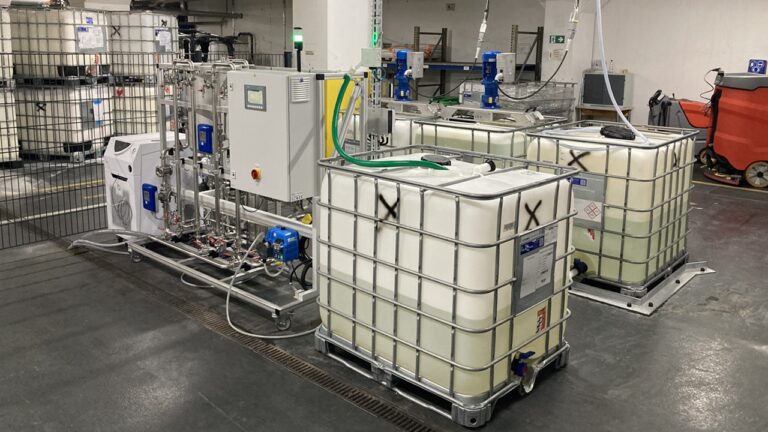
This marks the beginning of a crucial validation phase in which innovative water reuse technologies developed within the R3VOLUTION consortium will be tested under real industrial operating conditions of the steel industry. The pilot integrates a multi-stage treatment train combining advanced solutions developed by project partners VITO and Universitat Politècnica de Catalunya (UPC), creating a comprehensive approach to industrial water recovery and reuse.
Turning Wastewater into a Valuable Resource
At the heart of R3VOLUTION is the ambition to transform the way water is managed in industrial processes. Rather than treating wastewater as a disposal challenge, the project seeks to recover and regenerate a significant share of process water, enabling its return to production operations.
By demonstrating water circularity in a demanding industrial environment such as steel manufacturing, the project aims to show how advanced treatment technologies can reduce freshwater consumption, minimize wastewater discharges, and enhance the sustainability of industrial production. The other demo cases of R3VOLUTION are located at pulp & paper, biochemical and petrochemical industrial sites.
Addressing Water Scarcity Through Innovation
Water availability is becoming an increasingly critical issue for industries, particularly in regions facing growing water stress. Through the deployment of innovative water reuse solutions, R3VOLUTION supports a more resilient approach to industrial water management.
The pilot at CELSA will provide valuable insights into the operational performance, efficiency, and scalability of the integrated treatment technologies. These results will help assess their potential for broader implementation across industrial sectors where water is a strategic resource. With installation nearing completion, the project now looks ahead to the next exciting phase: the start-up of the pilot and the performance validation. The knowledge generated will play an important role in accelerating the transition towards more circular and sustainable industrial water systems.